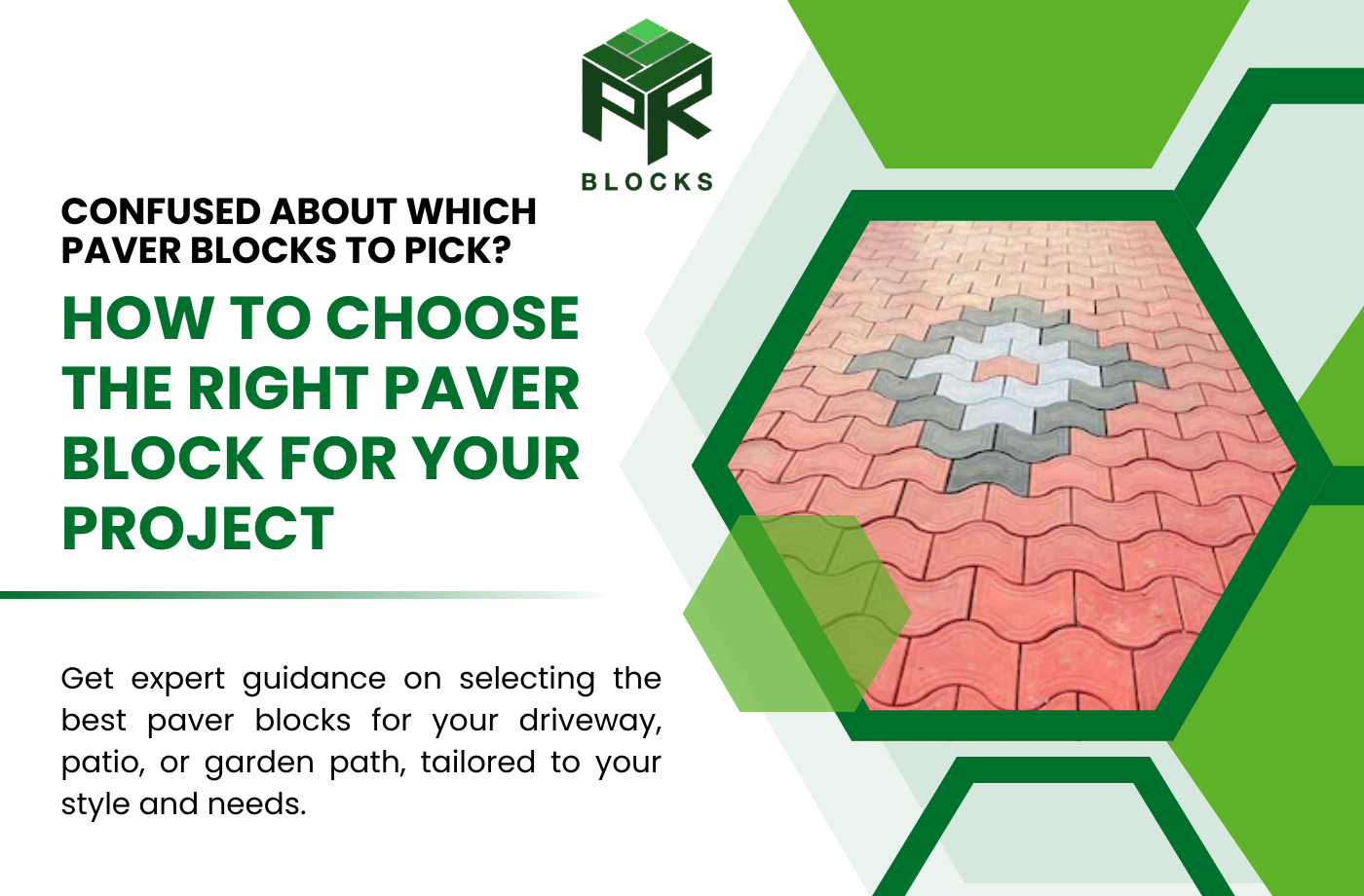
How to Choose the Right Paver Block for Your Project
When it comes to enhancing your outdoor space, choosing the right paver block is just as important as the design itself. With a variety of shapes, sizes, colors, and finishes available, making the right choice can feel overwhelming. This guide will help you narrow down the best option based on function, aesthetics, and durability.
✅ 1. Consider the Purpose of the Area
First, define the function of the space you’re paving. Different applications require different types of blocks:
-
Driveways → Opt for heavy-duty blocks like 80mm or 100mm rectangular or S-shape pavers that can handle vehicular load.
-
Walkways & Garden Paths → Lightweight options such as 60mm square or chakra pavers are usually sufficient.
-
Patios & Courtyards → Aesthetic appeal is key; go for decorative shapes like square or circular patterns in pleasing finishes.
✅ 2. Choose the Right Thickness
Paver block thickness impacts durability:
| Area Type | Recommended Thickness |
|---|---|
| Foot traffic | 40mm – 60mm |
| Light vehicle load | 60mm – 80mm |
| Heavy vehicle load | 100mm |
Always check local building codes if applicable.
✅ 3. Match the Design Style
Your paver block should complement the overall theme of your home or space:
-
Modern homes → Go for sleek square or rectangle blocks in grey, black, or monochrome tones.
-
Rustic or traditional spaces → Use zigzag or chakra patterns in earthy tones like terracotta or sandstone.
-
Commercial & public areas → Use uniform, interlocking blocks for structural strength and neat appearance.
✅ 4. Color and Finish Options
Paver blocks come in various finishes such as smooth, shot-blasted, matte, or glossy. Consider:
-
Light colors for hot climates (less heat absorption)
-
Dark tones for contrast and minimal maintenance
-
Textured surfaces for slip resistance
✅ 5. Check Quality Standards
Always verify the following quality factors before buying:
-
Compressive strength (should be ≥ 40 MPa for durable use)
-
Water absorption (ideally ≤ 6%)
-
Uniformity in dimensions and thickness
-
Manufacturer warranty or ISI certification, if available
✅ 6. Think About Maintenance
Some blocks are easier to clean and maintain than others. For example:
-
Glossy or smooth finishes may stain more easily but are easier to sweep.
-
Textured or matte surfaces are less slippery but may need pressure washing.
✅ 7. Budget vs Longevity
While budget is always a consideration, investing in good-quality paver blocks saves you on repairs and replacements in the long run. Avoid overly cheap options that may crack or fade quickly.
🛠️ Final Thoughts
Choosing the right paver block is a balance of functionality, design, and durability. Whether you’re upgrading your driveway, building a garden path, or designing a stylish patio, selecting the right paver block ensures a lasting impact—both visually and structurally.